3 Things Your Colorado Springs HVAC Technician Wishes You Knew
Published: 2026-06-12 · By TwinOaks Heating and Air Conditioning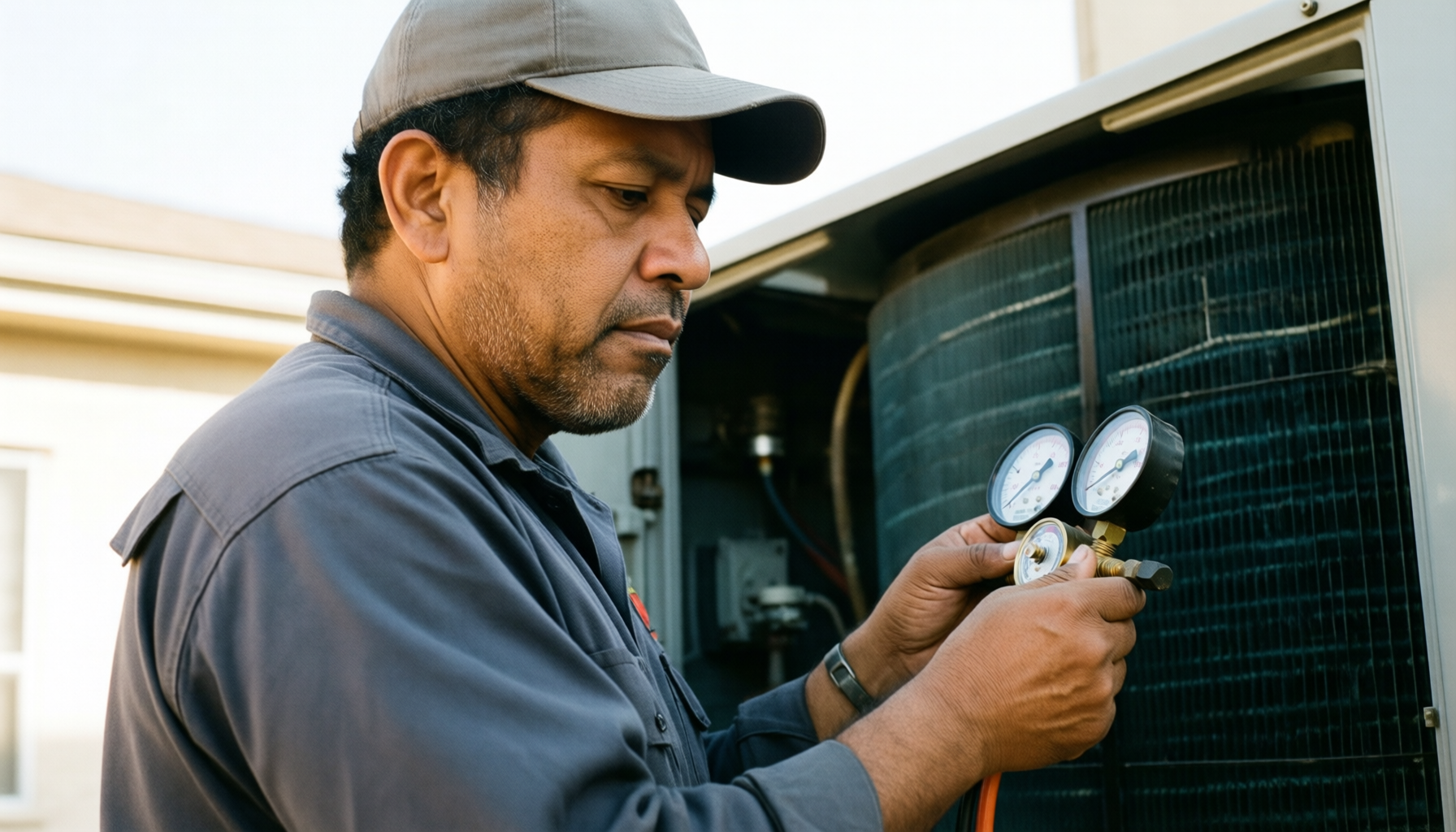
As a homeowner in Colorado Springs, you might find yourself juggling between hot summers and frigid winters. Have you ever experienced the sudden discomfort of your HVAC failing just as a hailstorm approaches? Or noticed your energy bills soaring during peak seasons? These scenarios aren't uncommon, and your HVAC technician at TwinOaks Heating and Air Conditioning has invaluable insights that could save you from costly headaches. Understanding some key aspects of your HVAC system will not only help maintain a comfortable living environment but will also extend the life of your equipment.
Why This Matters for Colorado Springs Homeowners
The rapid temperature swings in Colorado Springs can wreak havoc on HVAC systems. During extreme cold snaps, systems are pushed to their limits, risking breakdowns when they’re needed most. Additionally, hailstorms can damage outdoor units, leading to expensive repairs, while spring thaw exacerbates moisture issues, especially in homes built on expansive clay soils.
Many local homeowners fail to realize that each season presents unique challenges for HVAC systems. The freeze-thaw cycles can cause structural stress not just to your home but to your HVAC’s infrastructure. Understanding these stressors is essential to keeping your systems running smoothly.
Don't overlook maintenance! Regularly checking your HVAC system can prevent most issues, especially before the temperature swings hit hard.
Neglecting routine service may lead to increased energy costs and uncomfortable living conditions. Awareness of these local factors can empower homeowners to take proactive measures in maintaining their HVAC systems.
Expert Solutions & Actionable Tips
1. Invest in a Smart Thermostat
Upgrading to a smart thermostat can be particularly beneficial for Colorado Springs residents. With rapid temperature fluctuations, a smart thermostat allows you to adjust your home's temperature remotely, ensuring it remains comfortable while minimizing energy waste. Expect to pay around $150 to $300 for the device and installation.
This investment can lead to savings on energy bills of up to 15% annually. Many models also provide usage reports, helping you understand your consumption patterns. Considering the potential for both immediate comfort and long-term savings, this is a worthwhile consideration for your home.
2. Annual Maintenance Visits are Key
Scheduling annual HVAC maintenance is crucial in Colorado Springs, where systems endure harsh seasonal changes. Technicians typically recommend service in the early spring or fall when demand is lower and your system can be tuned up before peak seasons hit.
An average maintenance visit might cost between $75 and $150 but can save you significantly by avoiding emergency repairs that could cost hundreds later. Regular maintenance extends the life of your HVAC system, keeping your home efficiently heated and cooled throughout the year.
3. Seal Ducts and Insulate Properly
In Colorado Springs, air leaks can contribute to significant energy loss, especially in homes with expansive clay soil, which can shift and crack over time. Sealing ducts not only improves energy efficiency but can also prevent unnecessary strain on your HVAC system.
The cost to seal ductwork typically ranges from $300 to $1,000, depending on how extensive the leaks are. Adding insulation can also reduce heating and cooling costs, keeping your home comfortable during extreme temperatures.
4. Protect Outdoor Units from Hail Damage
Hail can be a significant threat to outdoor HVAC units in Colorado Springs. Investing in a hail guard can mitigate this risk. These protective covers can cost between $100 and $400 based on the model and size of your unit.
By adding this layer of protection, you can extend the life of your system significantly, avoiding the need for costly repairs after severe storms.
5. Know When to Replace vs. Repair
Life expectancy varies, but most HVAC systems last between 10 to 15 years. If your system is nearing this age, assessing repair costs against replacement costs is vital. If repairs exceed 30% of the replacement cost, consider a new system.
New systems will often be much more energy-efficient, yielding lower bills. In Colorado Springs, a new HVAC system can cost between $3,000 and $7,000, but these costs could be recuperated through energy savings and rebates.
6. Be Mindful of Indoor Air Quality
With the heavy snowmelt and humidity in spring, many homeowners in Colorado Springs can experience mold or allergens in their homes. Ensuring proper ventilation and using HEPA filters can mitigate these issues.
Although upgrading to HEPA filters costs about $50 to $100, it significantly improves air quality. Regular changing of filters every 1-3 months also helps to maintain optimal airflow, thus enhancing overall HVAC performance.
Colorado Springs Climate & Local Context
Colorado Springs boasts a unique climate with rapid temperature swings throughout the year. Winters can be harsh, with heavy snowmelt, and summers bring heat, creating a challenging environment for HVAC systems. Additionally, Colorado Springs is known for its expansive clay soils, which can shift and lead to foundational cracks, impacting local building structures.
Local building codes emphasize installing proper drainage systems to mitigate these effects, especially in homes built on these soils. Understanding these elements is crucial when selecting an HVAC system, as it impacts the effectiveness and longevity of the equipment.
When to Call a Professional
While some HVAC tasks may seem manageable for an adept DIY homeowner, knowing when to defer to a professional is essential for safety and efficiency. Simple tasks like replacing filters or cleaning vents can be done independently, but other tasks can pose challenges.
- If your HVAC system is more than 10 years old
- If you hear unusual noises, such as rattling or grinding
- If there's a sudden spike in energy bills
- If you notice weak airflow
- If you require complex installations like zoning systems
- If refrigerant levels are incorrect
- If your system frequently cycles on and off
In these scenarios, it's advisable to contact TwinOaks Heating and Air Conditioning. They can assess the problem accurately and recommend the best course of action.
Frequently Asked Questions
What type of HVAC system is best for Colorado Springs?
Considering Colorado Springs' climate, a heat pump system is often recommended. It provides efficient heating in winter while cooling in summer, making it ideal for our variable weather.
How often should I have maintenance done on my HVAC system?
It's recommended to schedule maintenance services at least once a year, either in early spring or late fall, to ensure your system is well-prepared for the upcoming season.
What signs indicate I need to replace my HVAC system?
If your HVAC system is over ten years old, requires frequent repairs, or shows a significant increase in energy bills, it may be time to consider a replacement.
Can I perform HVAC maintenance myself?
While some simple tasks like changing filters can be done at home, other inspections and repairs should be left to professionals to ensure safety and compliance with local codes.
How can I improve my home's energy efficiency in Colorado Springs?
Investing in a smart thermostat, sealing ducts, and ensuring proper insulation can significantly improve your home's energy efficiency, leading to lower utility bills.
Get Expert HVAC Service in Colorado Springs
If you’re ready to ensure your HVAC system is operating at its best, give TwinOaks Heating and Air Conditioning a call today at (719) 497-7524. Our local experts are here to support all your heating and cooling needs in Colorado Springs.
Your comfort matters to us, and at TwinOaks, we understand the unique challenges our Colorado Springs community faces. Don’t wait; reach out today!