Understanding Heat Load Calculations for Colorado Springs Homes
Published: 2026-06-12 · By TwinOaks Heating and Air Conditioning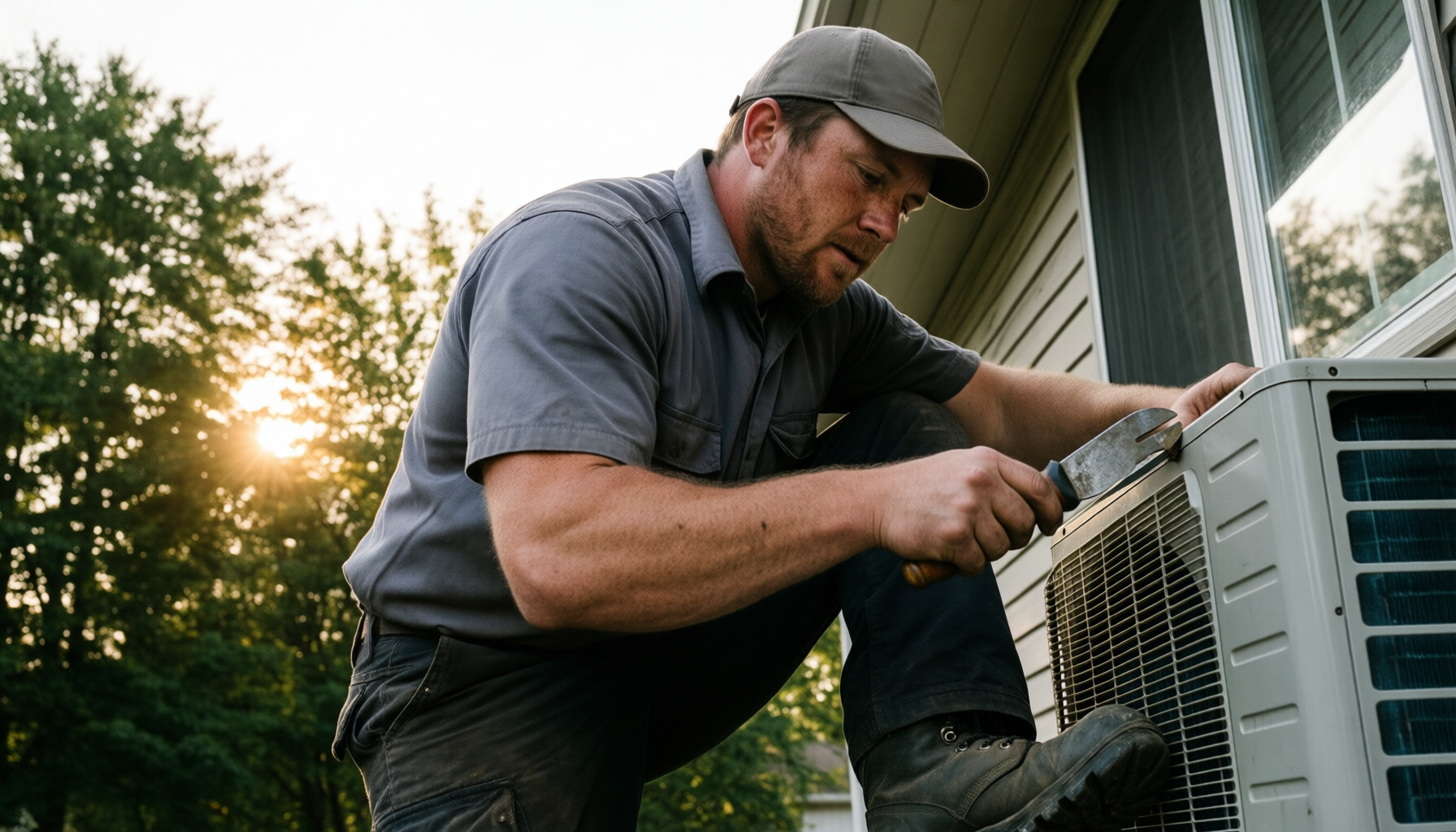
As the sun rises over the picturesque mountains of Colorado Springs, you might not think twice about how the shifting temperatures impact your home. Yet, with rapid temperature swings from chilly mornings to warm afternoons, understanding the heat load for your residence is crucial. This local nuance influences not just your comfort but your energy bills and long-term property integrity. Homeowners often underestimate the significance of proper heating and cooling systems tailored to Colorado Springs’ unique climate. Adjustments to your HVAC system can greatly enhance efficiency and even prolong its lifespan.
Why This Matters for Colorado Springs Homeowners
Heat load calculations are essential for every homeowner in Colorado Springs, particularly due to the region's harsh climate fluctuations. Rapid temperature changes can strain your HVAC system if not properly accounted for. The freeze-thaw cycles experienced each spring, combined with the heavy snowmelt leading to moist soil conditions, necessitate that your heating and cooling system is well-equipped to handle these stresses.
The expansive clay soils prevalent in many local homes create unique drainage concerns that can impact heat load determinations. Improper drainage can lead to moisture issues, which may compromise both your HVAC system and your home’s structural integrity. Knowing your home's specific requirements aids in preventing inefficiency and costly repairs down the line.
Remember: Failing to account for heat load correctly could mean overpaying for heating and cooling, and it may lead to shortened service life of your HVAC equipment.
Expert Solutions & Actionable Tips
1. Understanding Heat Load Through the Seasons
In Colorado Springs, heat load varies significantly throughout the year. For example, during the winter months, you might need heating for an average of 12-14 hours daily. This specific calculation affects the BTU requirements, often placing heating demands between 30,000 and 60,000 BTUs based on home size and insulation quality.
Conversely, in summer, cooling is necessary for 8-10 hours daily. Installing energy-efficient systems tailored for local temperatures ensures effective comfort while minimizing energy waste and expense.
2. Insulation's Role in Heat Load Management
Proper insulation is critical to optimizing heat load calculations. Upgrading your insulation, especially in attics and basements, can reduce heating costs by up to 20%. In Colorado Springs, use materials that mitigate moisture absorption due to local soil conditions to further enhance performance.
Insulation audits are often affordable, costing between $200 and $500, and can yield immediate savings through improved energy efficiency while providing recommendations tailored to your specific home design.
3. Choosing the Right HVAC System
Selecting the appropriate HVAC unit is essential for managing heat load effectively. Systems designed for Colorado Springs climates often feature variable speed fans and programmable thermostats. Costs can range from $4,000 to $12,000, depending on the system's efficiency rating and capacity.
Discuss energy-efficient models, which can deliver savings of 20-30% on your energy bills annually. An investment in an ENERGY STAR-rated unit often pays for itself over time due to lower operational costs.
4. Expert Assessment vs. DIY
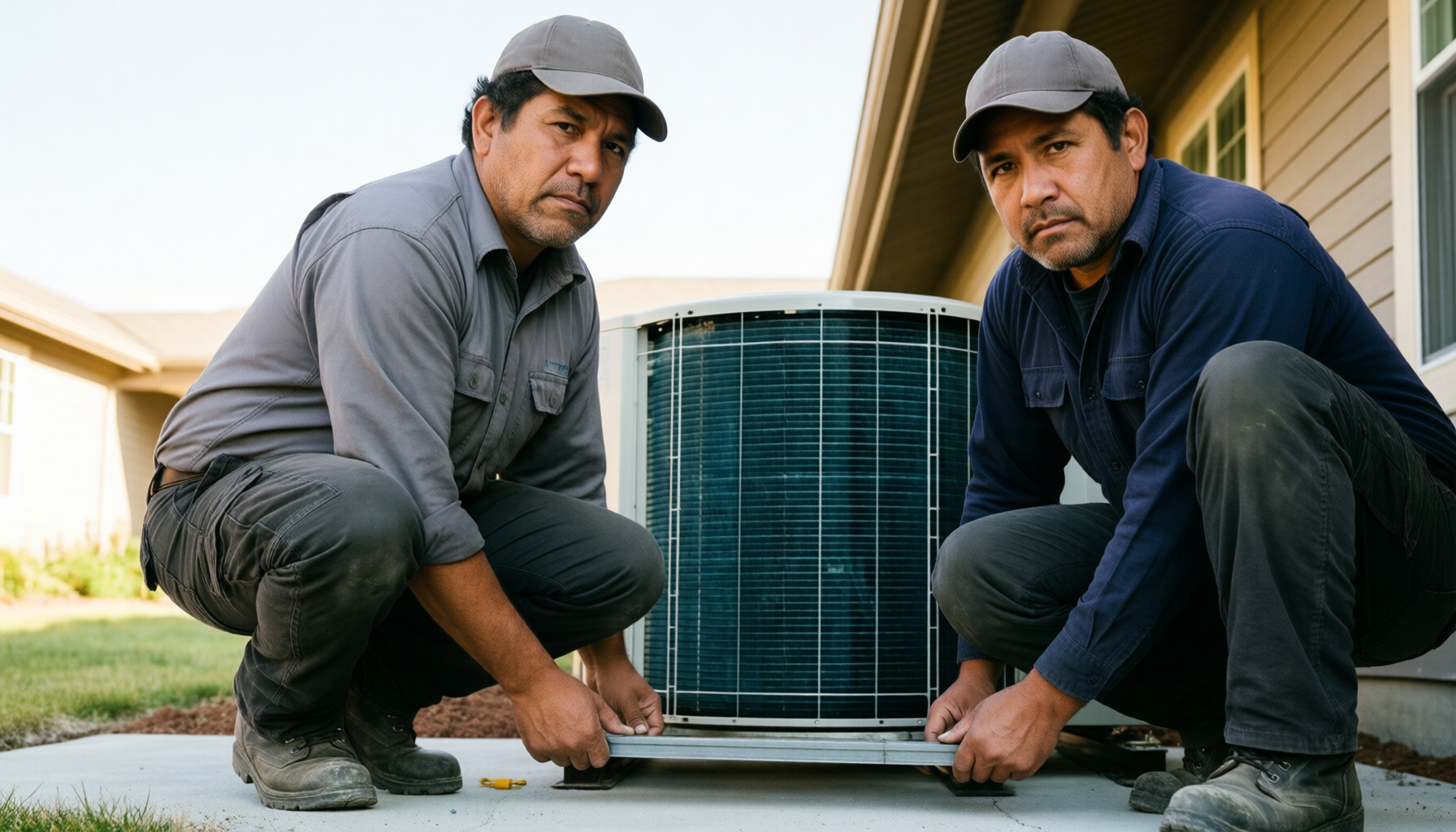
In many cases, consulting with HVAC specialists ensures accurate heat load calculations. Professionals offer insight that homeowners might overlook, like rapid snowmelt effects on humidity within the home. Estimates for a thorough assessment might range from $150 to $300.
Consider DIY only for minor adjustments. Complex heat load calculations require specialized knowledge and tools, which is often best left to the experts.
5. Ventilation Needs in Unique Weather
In Colorado Springs, proper ventilation must accommodate both chilly winters and warm summers, which may shift drastically within a single day. For best results, consider installing a heat recovery ventilator that both warms fresh air in winter and cools it in summer. Costs are generally around $1,200 to $2,500 for a unit, but this can lead to significant long-term savings.
This careful balance prevents moisture buildup, especially essential given the region's clay soils, making your heat load calculations vital for maintaining IAQ (Indoor Air Quality).
6. Monitor and Adjust Regularly
Regular monitoring of your HVAC system can preempt significant issues before they arise. Schedule maintenance checks at least twice annually—once before the summer heat and again before winter. Each appointment typically costs between $75 and $150.
Adjusting your system based on the heat load throughout the year helps keep energy use in check while ensuring maximum return on your HVAC investment.
Colorado Springs Climate & Local Context
Colorado Springs faces unique climatic challenges that impact the heating and cooling strategies homeowners adopt. With an average annual temperature swing of 40 degrees and heavy snowfall in winter, homes must be built to withstand rapid shifts. Many local properties are built on expansive clay, necessitating specialized drainage systems to prevent flooding that can stress foundations and HVAC systems alike.
Before undertaking any HVAC upgrades or repairs, familiarizing yourself with local building codes and permit requirements is critical. Engaging with local agencies not only ensures compliance but aids in the long-term peace of mind that comes with knowing your home is structured correctly for the climate.
When to Call a Professional
Deciding whether to tackle HVAC issues yourself or call a professional can be daunting. Small issues like replacing filters or adjusting thermostats can be DIY projects, but significant situations merit professional help. A qualified technician offers insights on your system not visible to the homeowner.
- Frequent breakdowns of HVAC equipment
- Unusual sounds or smells from units
- Significant fluctuations in temperature between rooms
- Installation of new HVAC parts or units
- Unexpected increases in utility bills
- Unmanageable humidity levels
- Extensive water damage near HVAC components
Taking action on red flags quickly can save you money and stress over time.
Frequently Asked Questions
What is a heat load calculation?
A heat load calculation determines how much heating or cooling your home requires based on its size, insulation, and climate factors. This ensures optimal sizing and efficiency of your HVAC system, especially important in Colorado Springs’ unique climate.
How often should I have my HVAC system serviced?
In the Colorado Springs area, it’s recommended to service your HVAC system twice a year—once in spring and once in fall—to address seasonal demands effectively and maximize system efficiency.
Is it worth upgrading to a more efficient HVAC system?
Yes, investing in a high-efficiency HVAC system can significantly reduce energy costs over time, often offsetting the initial investment within a few years, especially in our varied climate conditions.
Can I calculate heat load myself?
While you can find calculators online, accurately determining heat load factors for your specific home and location often requires a professional's expertise, particularly given Colorado Springs’ unique environmental variables.
What are some red flags indicating I need HVAC help?
Signs you should seek professional help include unseasonable temperature variations, excessive noise from your HVAC unit, and unexpectedly high energy bills, all common issues in Colorado Springs homes.
Get Expert HVAC Service in Colorado Springs
Understanding heat load calculations is vital for enjoying comfort while minimizing energy costs in your Colorado Springs home. If you have questions or need assistance, reach out to TwinOaks Heating and Air Conditioning for expert service. Call (719) 497-7524 today to discuss your HVAC needs.
Our experience in the Colorado Springs area ensures we tailor solutions specifically to our unique climate and soil conditions, helping you maintain your home’s integrity and comfort.